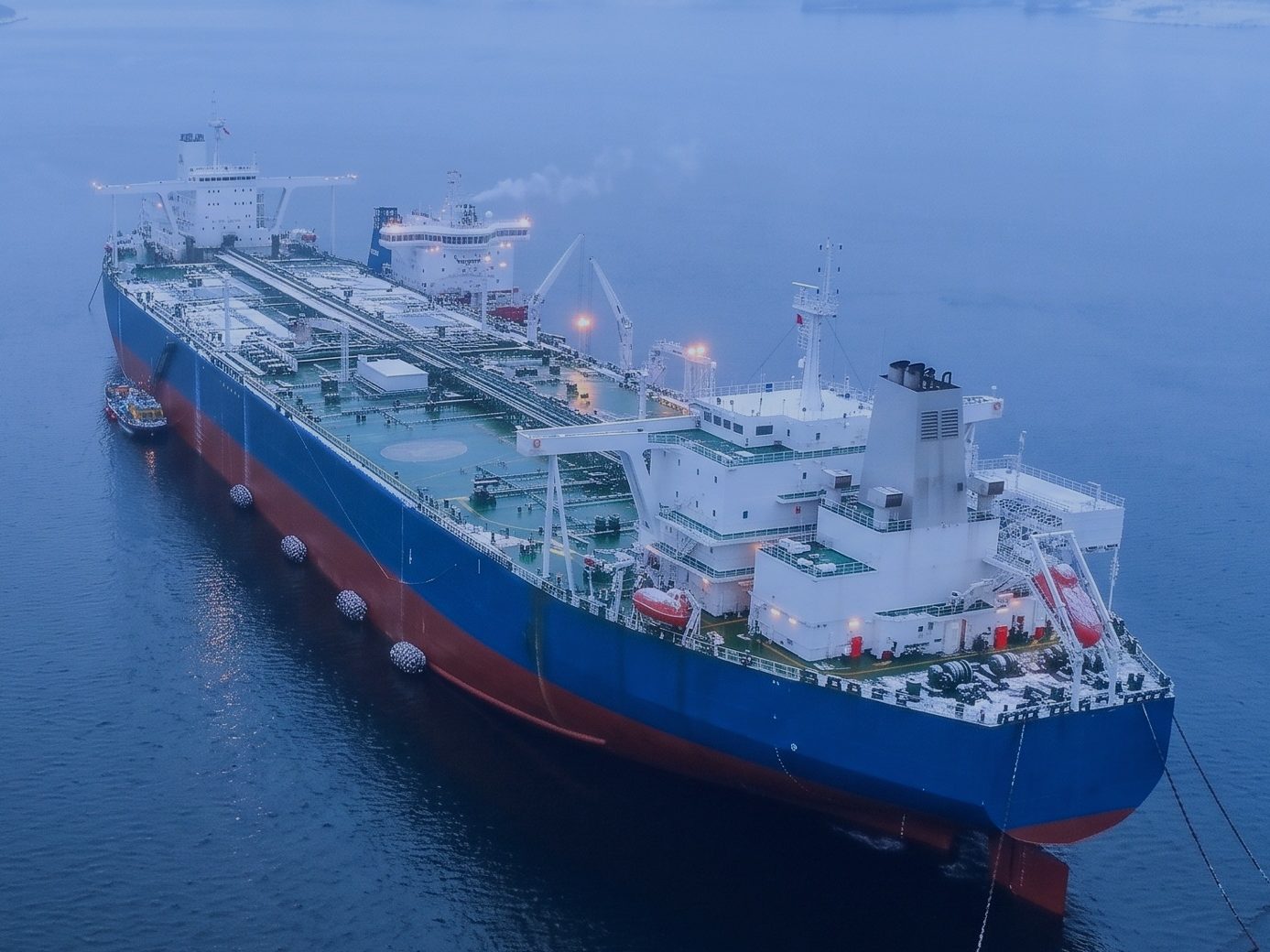
In 2007, during a storm in the Kerch Strait, the tanker Volgoneft-139 broke apart and sank. Several thousand tonnes of oil were spilled, causing serious pollution of the sea and coastline, including the Russian coast and the Crimean coast, which at the time was under Ukrainian jurisdiction.
Claims were brought against the tanker owner and its liability insurer, which had provided security in respect of the owner’s liability.
Claimants from Russia and Ukraine sought compensation, including the Russian enivironmental agency, which submitted a claim that exceeded the actual losses by several billion roubles. The claim was calculated using theoretical methodologies rather than on the basis of the actual environmental damage, as required by applicable law and international maritime law.
Another major issue was whether the shipowner and its insurer could be deprived of their right to limit liability.
A further complication concerned the applicable limitation amount. The liability limit had been determined under Russian legislation. By that time, Russia had undertaken obligations under an international convention providing for a higher liability limit, but the corresponding increase had not yet been incorporated into Russian legislation.
The shipowner and insurer sought legal assistance in a matter that required, for the first time in Russian judicial practice, the interpretation and application of international conventions and the Merchant Shipping Code of the Russian Federation in connection with:
- the establishment of a shipowner’s limitation fund before a Russian court;
- the protection of the shipowner’s and insurer’s right to limit liability;
- preventing recovery on the basis of provisions increasing the liability limit that had not been officially published in Russia or implemented into Russian law.
Jurinflot was instructed to represent the shipowner and its insurer in negotiations and court proceedings.
Jurinflot provided legal assistance to both the shipowner and the insurer.
During the initial stage of the matter, until the shipowner became insolvent, we represented the shipowner. We continued to represent the insurer throughout the entire case, which lasted for more than ten years, from 2007 to 2018.
Jurinflot developed the legal strategy and arguments for the case, including the interpretation and application of Russian maritime law and international law.
On behalf of the insurer, our lawyers conducted negotiations, including with foreign participants in the proceedings, the International Oil Pollution Compensation Fund and Ukrainian claimants.
We participated in meetings convened by federal and regional government authorities, prepared legal submissions and guarantee documentation, and represented the client in hearings before Russian commercial courts in several related proceedings against the shipowner and insurer at all levels of jurisdiction, including before the Presidium of the Supreme Arbitrazh Court of the Russian Federation.
Jurinflot also represented the insurer during the final stage of enforcement of the court judgment.
For the first time in Russian judicial practice, a limitation fund for a shipowner’s liability arising from a tanker oil spill was established before the St Petersburg Commercial Court.
The limitation fund enabled the shipowner and insurer to limit their liability to the amount permitted by law.
Rosprirodnadzor’s claim for environmental damages, which exceeded the actual losses by many times and had been calculated using a theoretical methodology, was rejected.
The courts, including the Supreme Arbitrazh Court of the Russian Federation, upheld the legal position developed by Jurinflot that the amount of recoverable damages should be determined on the basis of the actual damage caused by the pollution.
The courts also rejected the application of the increased limitation amount under convention provisions that had been ratified but had not been officially published in Russia.
The applicable liability amount was instead determined within the limits established by Russian law, the insurance policy and the certificate of insurance issued to the shipowner.